Are you days away from closing on a home in Apex and want zero surprises? You are not alone. The final walkthrough is your last chance to confirm the home’s condition, see that repairs are done, and make sure keys and access items are ready. In this guide, you will get a practical, Apex-focused checklist, timing tips for North Carolina, and clear next steps if you spot a problem. Let’s dive in.
What the final walkthrough is
A final walkthrough is not a new inspection. It is a quick, careful verification that the home matches your contract, agreed repairs are finished, no new damage has appeared, and included items are still in place. The goal is to step into closing with confidence. For a broader overview of closing day and walkthrough purpose, see the Consumer Financial Protection Bureau’s guidance on what to know before you close, which reinforces using the walkthrough to verify condition and agreed items before you sign (CFPB closing guidance). You can also review common walkthrough checks from national resources that align with this process (Realtor.com checklist and NAR consumer guidance).
North Carolina context you should know
In North Carolina, many buyers use forms provided by NC REALTORS, and closings are commonly handled by closing attorneys. Your specific rights and timing are defined by your contract and any addenda. If the walkthrough reveals a material issue, involve your real estate agent and closing attorney right away. For general state resources, see the North Carolina Real Estate Commission and NC REALTORS.
When to schedule in Apex
Most buyers complete the final walkthrough within 24 to 72 hours before closing. Some do it the morning of closing if needed. Your contract controls the exact window and who must keep utilities on for the visit. If you are unsure about the timing or responsibility for utilities, review your contract with your agent and ask your closing attorney to confirm.
What to bring on walkthrough day
Show up prepared. A focused hour now can prevent costly surprises later.
- Printed purchase contract and repair addenda
- Repair receipts, permits, and warranties provided by the seller
- Final home inspection report for reference
- Smartphone for photos and video
- Flashlight and a simple outlet tester
- Notepad and pen
- Scissors or a small utility knife to access panels if needed
- Ladder if safe and allowed, plus closed-toe shoes and a hat
Step-by-step walkthrough plan
Use a simple workflow so you do not miss a thing. One to two people works best.
Exterior first
Start outside and work all the way around the home.
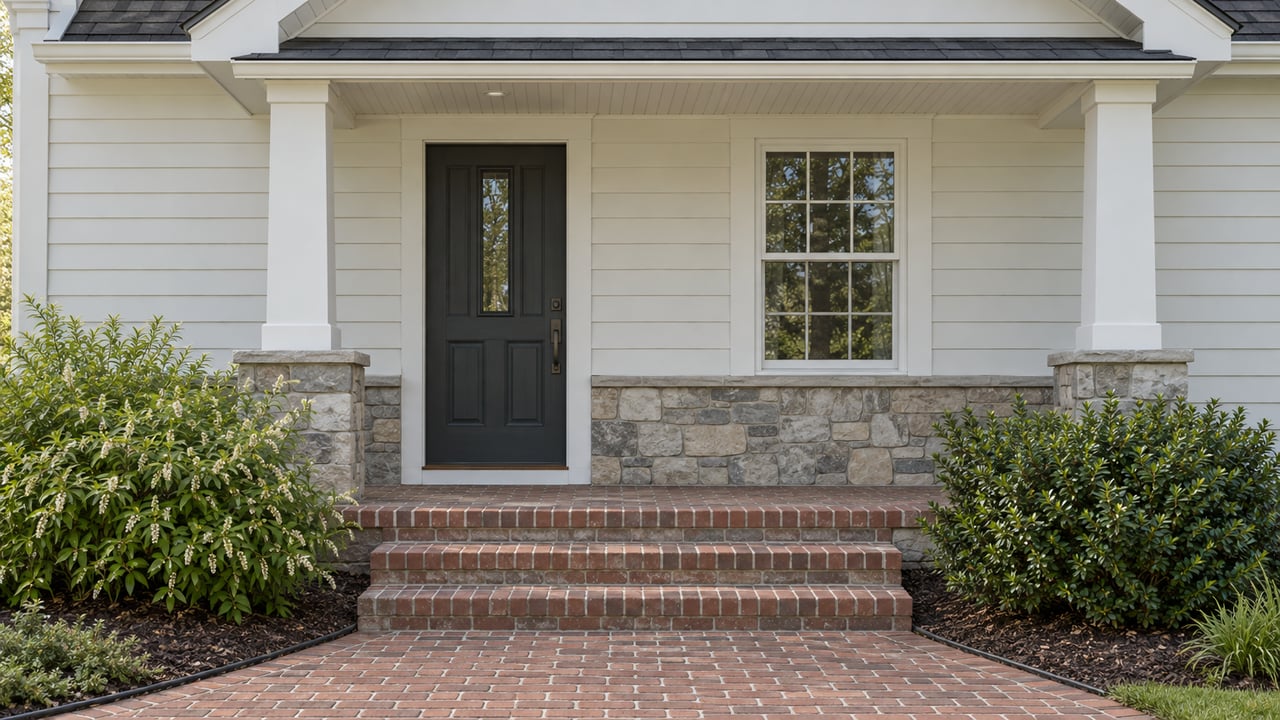
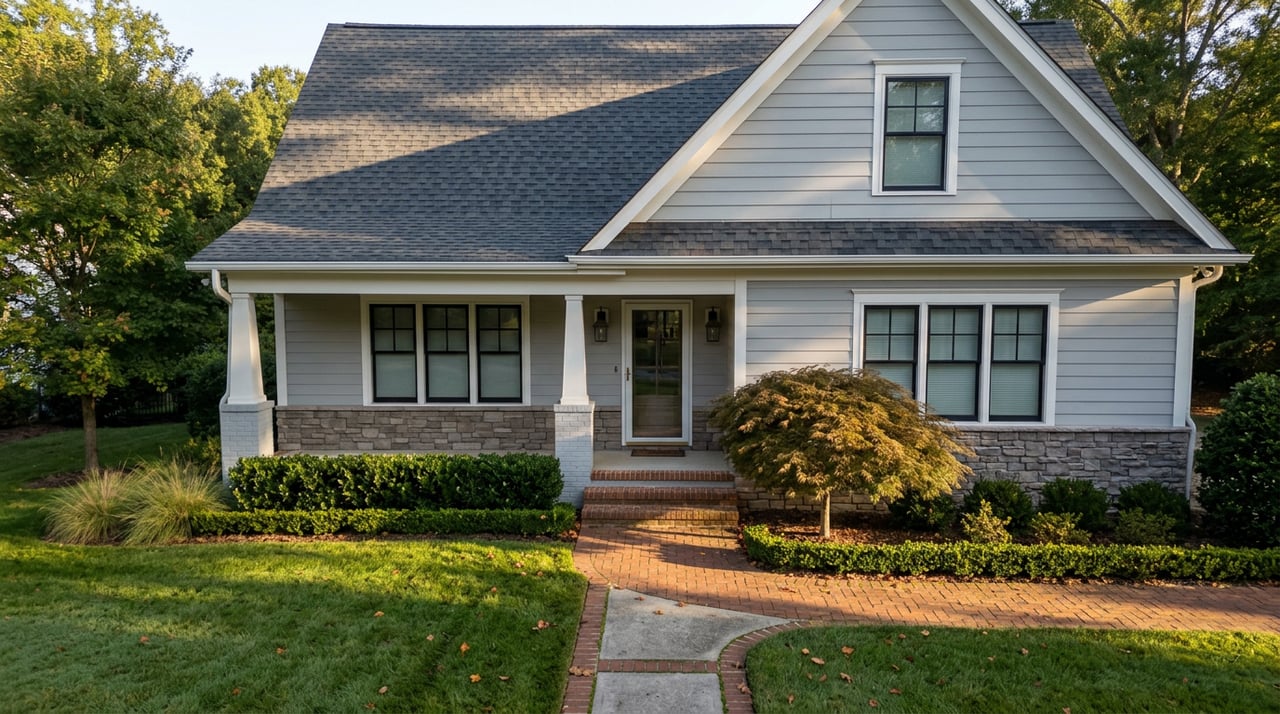
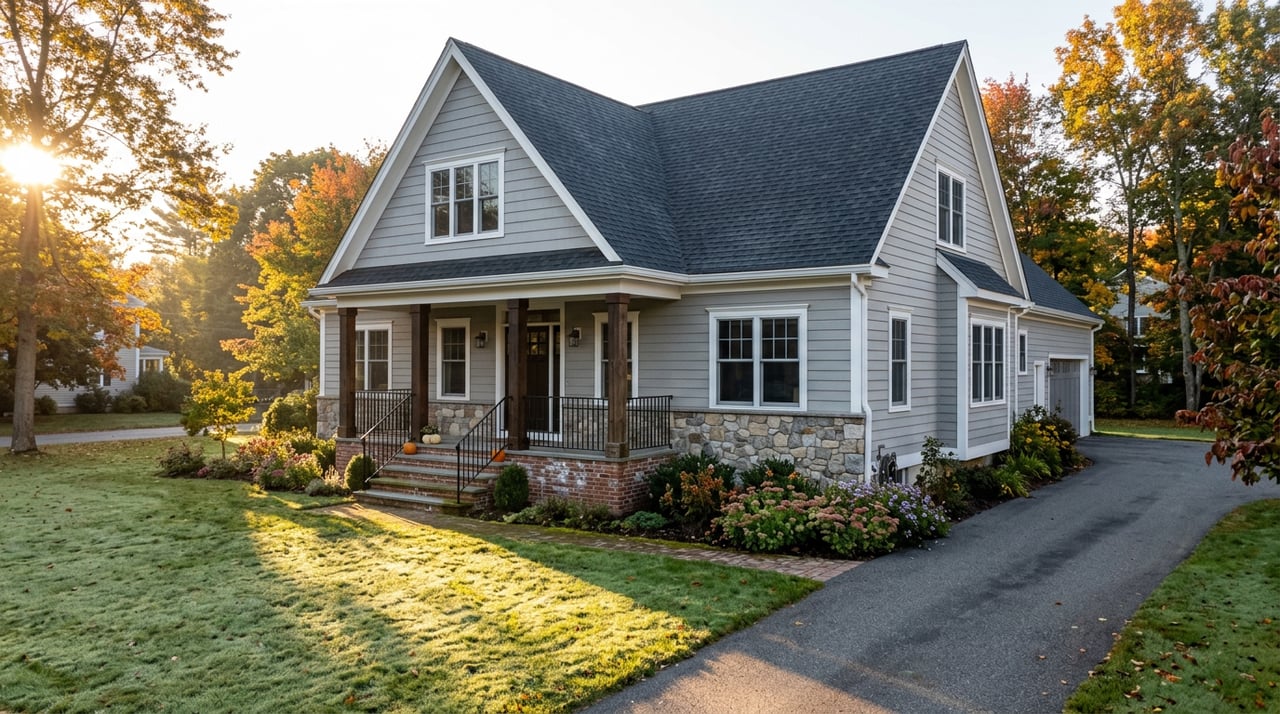
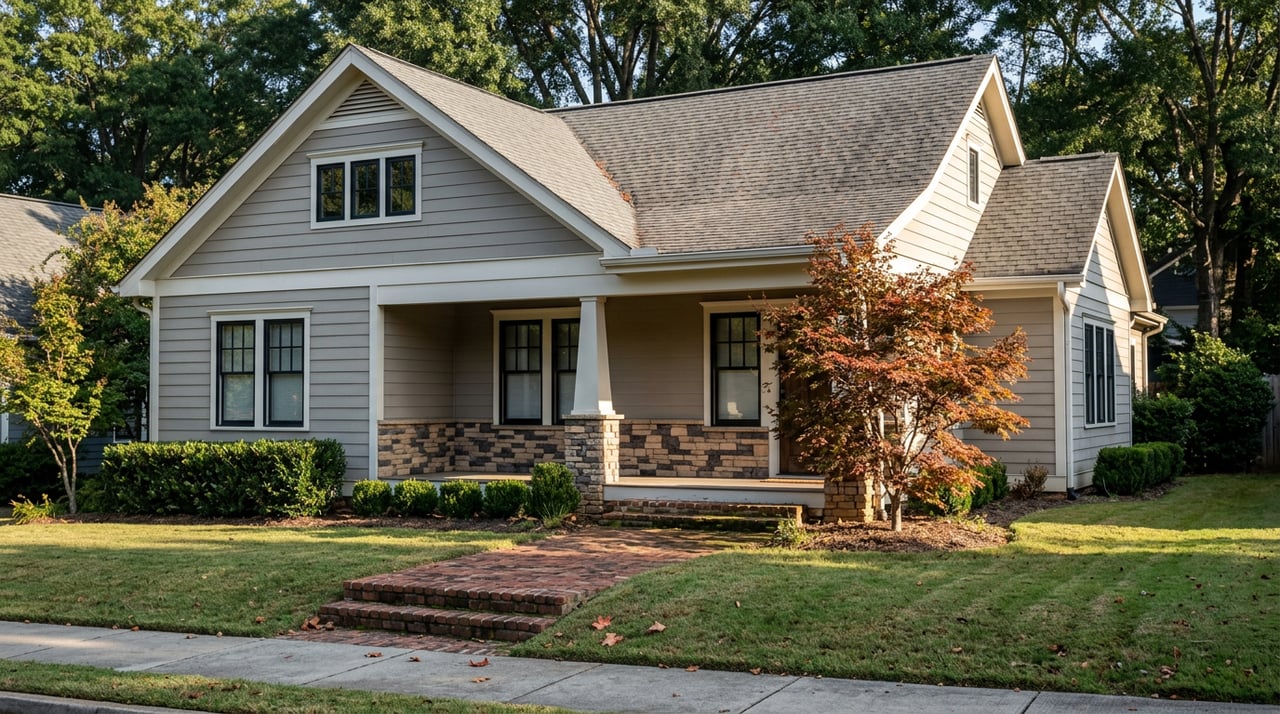
- Walk the perimeter to check siding, brick, or stucco for new damage.
- Look for roof issues you can see from the ground, like missing shingles or sagging.
- Confirm gutters and downspouts are intact and draining away from the foundation.
- Test exterior doors and locks; check that keys match and turn smoothly.
- Open and close the garage door. Test remotes and any keypad.
- Scan the driveway and walkways for large cracks or trip hazards.
- If irrigation is included, run a quick test to confirm it operates.
- For pools, spas, decks, and fences, check basic condition, gates and latches, and any included equipment.
- Look for signs of pests. In central North Carolina, termite activity is common enough to merit attention. Watch for mud tubes, frass, or damaged wood. If a prior report noted pests, verify treatment documents are present.
Interior room by room
Move through the home in a consistent order, such as upstairs to downstairs or left to right.
- Walls, ceilings, and floors: check for new holes, large cracks, or water stains.
- Doors and windows: open, close, and lock each one. Confirm screens and panes are intact.
- Appliances: run the stove and oven, start the dishwasher, test the microwave and disposal, and run the washer and dryer if they are included.
- Plumbing: run hot and cold water at multiple faucets, flush every toilet, and test showers and tubs for drainage. Look under sinks for active leaks. Confirm the water heater is operating and scan for corrosion.
- Electrical: flip every switch, and use an outlet tester for spot checks. Test GFCI outlets in kitchens, baths, garage, and exterior.
- HVAC: turn on heat and air conditioning as seasonally appropriate to confirm operation. Check thermostat responsiveness. If repairs were negotiated, confirm receipts and any transferable warranties are on-site.
- Attic, crawlspace, or basement: check for moisture, past water intrusion, proper ventilation, and insulation. If there is a sump pump, test it.
- Safety devices: test smoke detectors and carbon monoxide detectors. North Carolina and local codes set requirements for these devices. Confirm the contract requires the seller to leave them in working order.
- Finishes and fixtures: scan floors, trim, and cabinets for damage or missing parts. Confirm included fixtures and hardware remain.
Systems and safety checks
Give major systems a quick but careful look.
- HVAC, water heater, electrical panel, sump pump, irrigation, pool equipment: confirm they power on and respond. Do not open anything you are not comfortable handling.
- Confirm you have copies of recent service records if related repairs were required.
- Note any seller-completed repairs that may have needed permits. You can verify permit closeouts with the Town of Apex after the walkthrough if needed.
Paperwork and access items
Wrap up with the “hand-off” items so you are not scrambling at the closing table.
- Keys for all doors, garage remotes, gate or fob access, alarm codes, and mailbox keys
- Manuals and warranties for appliances and systems
- Receipts and warranties for negotiated repairs or termite treatments
- Any HOA access details and amenity keys or fobs if applicable
Apex-specific logistics to confirm
A little local planning goes a long way to a smooth move-in.
- Permits and inspections: If the seller completed work that required permits, confirm that final inspections are signed off with the Town of Apex. You can start with the town’s website for permitting and inspections resources (Town of Apex). If sign-off is missing, discuss options with your agent and closing attorney.
- Utilities and services: Confirm how to start or transfer water, sewer, trash, and electric service. The Town of Apex provides utility resources and new account guidance on its site. Ask about final readings and deposits so there are no surprises at move-in.
- HOAs and covenants: Many Apex neighborhoods have active HOAs. Confirm you received required resale or transfer documents, understand any transfer fees, and have amenity access details.
- Property taxes and proration: Wake County taxes are typically prorated at closing. Your closing attorney will handle recording and proration, but you can review county resources for general context (Wake County resources).
Common problems and what to do
Even well-prepared sales can hit a snag at the finish line. If something pops up, act fast and document everything with photos and notes.
- Incomplete or unsatisfactory repairs: Options may include asking the seller to complete the work before closing with receipts and permits, negotiating an escrow holdback at closing, or delaying closing until completion. The best choice depends on your contract and the issue’s severity. Involve your agent and closing attorney right away. For a national overview of these options, see the CFPB’s closing guidance and widely used consumer checklists (CFPB closing guidance, Realtor.com checklist).
- New damage or missing items: If damage occurred after inspection or included items are gone, document it, notify your agent and closing attorney, and request repair, replacement, or a credit. Major damage can justify delaying closing.
- Non-working utilities or appliances: Contracts commonly require utilities to be on for the walkthrough and closing, but obligations vary. If a major system fails, treat it as a material issue to resolve before you take possession.
- Unpermitted work: If you discover significant unpermitted work, you can ask the seller to obtain retroactive permits and inspections or negotiate escrow or credits. The Town of Apex’s site is a good starting point for permit questions, and your closing attorney can advise.
- Title issues: Title defects are typically handled by your closing attorney before closing, but if one surfaces late, be ready to pause closing until it is resolved. Your attorney will guide the remedy.
Day-of-closing tips
Do a short, same-day recheck if the home was occupied during your walkthrough or if the seller moved out late. Confirm the condition did not change.
Take quick photos of clean rooms, empty garages, appliance serial numbers, and meter readings.
Keep all receipts, warranties, and manuals together in a folder you take to closing.
Make sure your agent and closing attorney have a written list of any open items so they can finalize solutions at the table.
Your walkthrough partner in Apex
You deserve to close with clarity and confidence. A clear plan reduces risk and protects your budget, which is especially important if you are following a conservative, debt-aware approach. With local experience across Apex and surrounding Triangle suburbs, we can help you plan the walkthrough, coordinate re-inspections, and communicate with your closing attorney if issues arise. If you want a steady advocate who blends local know-how with financially grounded guidance, reach out to Crumpler Realty Group.
FAQs
Can I delay closing in Apex if the final walkthrough reveals a problem?
- Possibly. Your options depend on your contract, the severity of the issue, and both parties’ willingness to negotiate. Contact your agent and closing attorney immediately.
What if the seller moved out and caused damage before closing in North Carolina?
- Document the damage with photos, notify your agent and closing attorney, and seek repair, replacement, or a credit under the contract. Major damage may justify pausing closing.
Are seller repairs guaranteed after closing in Apex?
- Usually not unless the seller provided specific warranties or funds are held in escrow. Get receipts and any warranties for completed work before you sign.
Who pays for fixing defects found during the final walkthrough in North Carolina?
- Responsibility follows the contract. If the seller failed to complete agreed repairs or removed included items, you can seek repairs, credits, escrow, or other remedies before closing with your attorney’s guidance.
How do I verify permits or utility setup in Apex before I close?
- Start with the Town of Apex website for permitting and utility resources and confirm any needed final inspections or account setups. Your closing attorney can help address unresolved items at closing.