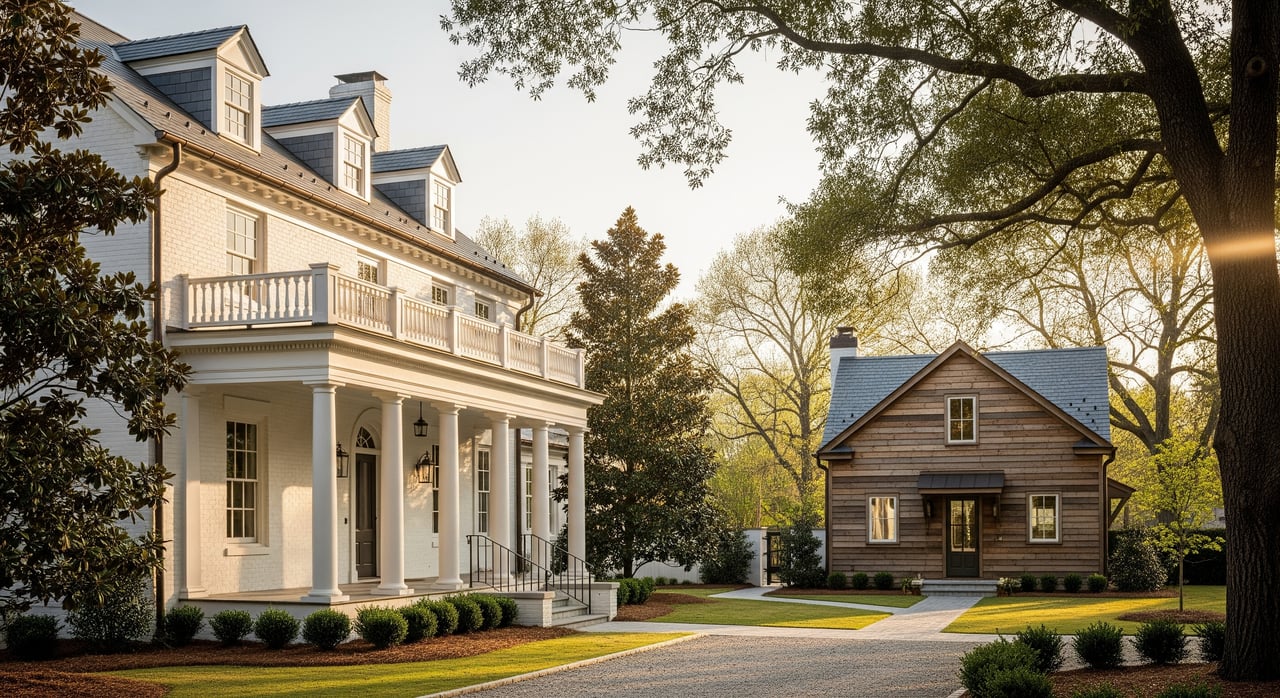
House Hacking in Wake Forest: A Beginner’s Guide
January 15, 2026
January 15, 2026
Thinking about house hacking in Wake Forest but not sure where to start? You’re not alone. Many first-time buyers and new investors want to lower their monthly costs while building long-term equity, but the steps can feel complex. In this guide, you’ll learn simple strategies, local rules to check, financing options, and a step-by-step plan tailored to Wake Forest. Let’s dive in.
House hacking is when you live in a home you own and rent part of it to offset your housing costs. Common approaches include:
The goal is simple: reduce your net cost of living and build equity faster while you learn the basics of owning rental property.
Wake Forest sits within the fast-growing Raleigh metro, supported by employment centers, universities, and steady in-migration. Those drivers can support rental demand across different unit types. If you want suburban living with access to the Triangle’s job base, house hacking here can help you stretch your budget and get into the market sooner.
Here’s a simple example. If you collect 2,800 dollars per month in rent, set aside 5 percent for vacancy and 700 dollars for monthly expenses, your NOI could be about 1,960 dollars. If your mortgage payment is 1,800 dollars, your monthly cash flow is roughly 160 dollars. Always verify numbers with real comps and current quotes.
Use realistic rent comps, include a vacancy allowance, and set a repair reserve. Many new owners underestimate renovation costs and time. Build a buffer so small surprises stay small.
Wake Forest and Wake County have specific processes that affect what you can rent and how you operate. Before you buy or renovate, confirm the following.
Zoning determines whether multi-unit properties, ADUs, or certain conversions are allowed on a lot. Confirm the property’s zoning district, permitted uses, and any overlays with the Town of Wake Forest Planning & Inspections. If you plan to add or legalize an ADU, ask about standards for size, parking, and design.
Many towns regulate short-term rentals and may require registration, occupancy limits, or safety features. Check current town ordinances and process with Planning & Inspections before relying on short-term income.
If the home is in an HOA, review covenants for rental restrictions. Some HOAs limit lease length, cap the number of rentals, or require approvals. Confirm these rules in writing before you go under contract.
Any conversion that adds a kitchen or bath, changes egress, or modifies electrical and plumbing typically needs permits and inspections. Ask about certificates of occupancy and any rental registration programs when you speak with the town.
North Carolina law sets rules for security deposits, notices, and eviction procedures. Review Chapter 42 of the state statutes to understand your responsibilities and timelines. You can read the law on the North Carolina General Statutes site.
If the property uses a septic system, verify capacity before advertising an ADU or additional bedroom. Wake County Environmental Health oversees septic evaluations and suitability. Start with Wake County Environmental Health & Safety for guidance.
Different loan programs let you buy 1–4 unit properties as an owner-occupant. Always verify current requirements with your lender.
FHA financing allows lower down payments for many buyers and can be used on 2–4 unit properties if you live in one unit. Learn more from HUD’s FHA resources on the HUD Single-Family program page.
Eligible veterans and service members can use VA loans to purchase 1–4 unit homes with owner-occupancy, often with no down payment. Review benefits and eligibility on the VA home loan page.
Many lenders offer conventional financing for multi-unit owner-occupied properties. Some programs allow lower down payments for qualifying buyers, such as Fannie Mae HomeReady and Freddie Mac Home Possible. Reserve requirements and rental income treatment vary by lender.
Most owner-occupant loans require you to move in within a set period (often 60 days) and remain for about 12 months. Some lenders count a portion of projected rent toward your qualifying income, especially for multi-unit FHA loans, but documentation is required.
If you rent part of your property, your homeowner policy may need endorsements or conversion to a landlord policy. Short-term rentals often require specific coverage. Many owners add umbrella liability coverage for extra protection.
Rental income is taxable, but you can generally deduct operating costs, insurance, property taxes, mortgage interest (subject to rules), repairs, and depreciation. Federal guidance for residential rental property is in IRS Publication 527. If you live in part of the home, you will prorate many expenses between personal and rental use.
House hacking can help you lower monthly costs, enter the Wake Forest market sooner, and build long-term equity. When you combine careful underwriting with local compliance and the right loan strategy, you set yourself up for steady progress, not costly surprises. If you want a clear plan tailored to your budget and goals in the Triangle, connect with the team at Crumpler Realty Group. We bring a financial-first approach and local experience to help you buy with confidence.

Together we have purchased, updated, renovated, and sold multiple homes in Apex, Holly Springs, and now Cary. We have helped first time home buyers, growing families, empty nesters downsizing, investors, and buyers looking for their dream vacation home in the mountains or coastline of North Carolina. Each client and move are unique, different, and usually has many moving parts. Through our personal and professional experience, we can help you with your next move.
If you are thinking of moving to the Triangle area like so many others, we have a vast network of real estate professionals across the country that can assist you with the preparation and sale of your current home. Contact us today!
Stay up to date on the latest real estate trends.

We pride ourselves in providing personalized solutions that bring our clients closer to their dream properties and enhance their long-term wealth.