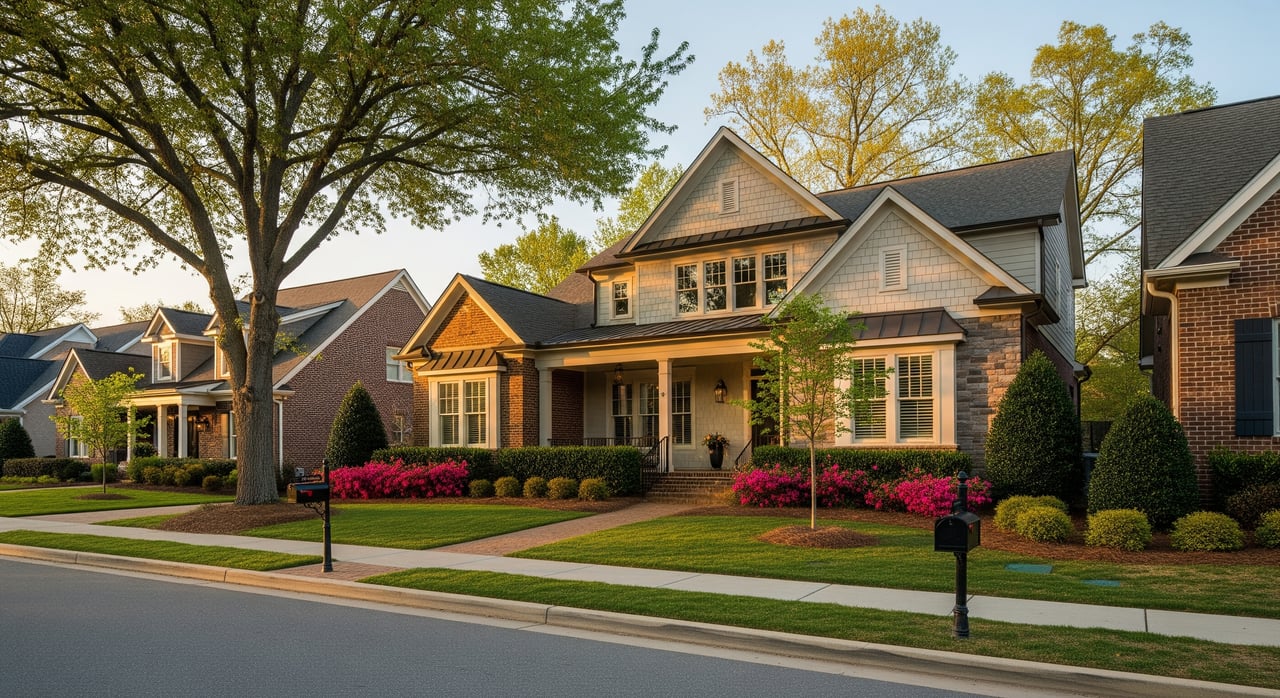
Guide to Cary HOA Rules, Fees, and Resale Value
January 1, 2026
January 1, 2026
Buying in a Cary neighborhood with an HOA can be a great move, but the rules and fees can also surprise you. You want to enjoy amenities, keep your monthly costs predictable, and protect your future resale. The key is knowing what to review, what to question, and how to negotiate before you close. This guide shows you how HOAs work in Cary, how to read the paperwork, and how to use that information to make a confident decision. Let’s dive in.
Cary has many planned communities with recorded covenants, conditions, and restrictions. You will see small associations for a few homes and large master associations with pools, clubhouses, trails, and common landscaping. Townhomes and condos also use associations, and condo associations follow additional condominium instruments.
You can expect dues, rules for exterior changes, and guidelines for parking, pets, and rentals. Some communities levy special assessments for capital projects or unexpected repairs. The controlling documents are recorded public records in Wake County, so you can verify them through the Wake County Register of Deeds.
Town zoning and permits still apply even if your HOA has its own rules. Setbacks, building permits, and certain use rules are set by the Town of Cary. If you plan exterior changes or unique uses, confirm both the HOA documents and the Town of Cary’s ordinances and permitting resources.
HOAs can require stricter private rules, but they cannot allow what the town prohibits. For example, you may need ARC approval for a fence even if the town allows fences by permit. Align your plans with both sets of rules to avoid delays and fees.
Ask for the full HOA package at contract ratification and include a review period in your offer. Processing can take days to two weeks, so build in time to read and ask questions. Here is what to request early:
If you want a primer on HOA foundations, reserve studies, and resale certificates, the Community Associations Institute provides accessible, national-level guidance.
As you review, keep an eye out for issues that can affect your budget or resale value:
If several of these appear, consider deeper review with a closing attorney and seek concessions in your offer.
Expect variability in how fast associations deliver resale packages. Some turn them around in a few days, while others take 7 to 14 business days or more. Build a contract contingency that allows you to review the documents and exit if needed.
Common transaction fees include the estoppel or resale certificate fee, transfer fee, and sometimes a capital contribution or move-in fee. Who pays is negotiable in North Carolina. Spell out who covers each fee in the contract.
North Carolina closings often involve a closing attorney. Use your review window to consult your attorney on restrictive rules, pending special assessments, and deed or transfer details. For general disclosure and licensing guidance in the state, visit the North Carolina Real Estate Commission.
If the HOA package reveals problems, you still have options.
A measured approach keeps your goals intact while protecting your budget.
If you plan to sell later, a little organization now can boost your resale. Keep every approval letter and receipt tied to exterior changes. Staying current on dues and avoiding violations makes your home easier to sell.
Focus upgrades where you control the outcome without extra approvals. Interior updates like kitchens, baths, flooring, and HVAC can deliver value without triggering ARC review. When you do propose exterior changes, follow the ARC process and keep all approvals. Buyers notice.
When you list, order a fresh resale or estoppel certificate early to confirm your account status and uncover any pending assessments. Be transparent about fees and the services the HOA provides. Clear, complete info builds trust and speeds up buyer decisions.
Use this step-by-step list to stay organized from offer to close.
These sources help you verify rules and records and understand the basics.
You deserve a calm, disciplined approach when an HOA is involved. As a boutique Triangle team, we pair local Cary knowledge with financial-first guidance. We help you request and review HOA packages, spot red flags, and align the contract timeline with delivery of documents. We coordinate with your closing attorney and keep your budget front and center.
If you plan upgrades after closing, we can connect you with vetted vendors and help you navigate ARC approvals. When it is time to sell, we manage prep, staging, and premium listing marketing to highlight the right features and HOA services. Ready to move forward with clarity and confidence? Reach out to the Crumpler Realty Group to get started.

Together we have purchased, updated, renovated, and sold multiple homes in Apex, Holly Springs, and now Cary. We have helped first time home buyers, growing families, empty nesters downsizing, investors, and buyers looking for their dream vacation home in the mountains or coastline of North Carolina. Each client and move are unique, different, and usually has many moving parts. Through our personal and professional experience, we can help you with your next move.
If you are thinking of moving to the Triangle area like so many others, we have a vast network of real estate professionals across the country that can assist you with the preparation and sale of your current home. Contact us today!
Stay up to date on the latest real estate trends.
We pride ourselves in providing personalized solutions that bring our clients closer to their dream properties and enhance their long-term wealth.