Knightdale vs Raleigh Living: Commute & Daily Life
November 27, 2025
November 27, 2025
You want more space and value, but you do not want a commute that eats your day. If you are torn between living in Knightdale or staying in Raleigh, you are not alone. Both offer genuine benefits, but the tradeoffs show up in your daily drive, your budget, and how you spend your evenings and weekends. In this guide, you will compare commute patterns, housing, and lifestyle factors so you can choose with confidence. Let’s dive in.
Knightdale sits roughly 10 to 15 miles east of downtown Raleigh depending on start and end points. In off-peak hours, that drive often runs about 15 to 25 minutes, then stretches during rush hour as traffic builds near the I‑440 and I‑40 interchanges. Within Raleigh, commute times vary widely by neighborhood, but many in-city trips are shorter because you are closer to job centers and have more route options. If a predictable drive matters most, focus on how your specific home and workplace line up with major corridors.
Most Knightdale-to-Raleigh commuters rely on US‑64 and local arterials that tie into I‑440, I‑40, and US‑70. Peak congestion points regularly appear on approaches to the Beltline and near downtown interchanges. These bottlenecks can add meaningful minutes to both morning and evening trips. Raleigh residents still encounter traffic, but shorter intra-city trips and alternate streets can offer more flexibility.
Local bus service is more robust inside the city than in suburban towns. Within Raleigh, the GoRaleigh network covers many corridors and connects to regional routes. Regional buses from GoTriangle serve parts of Wake County and can help some commuters, often through park‑and‑ride lots. Amtrak serves downtown at Raleigh Union Station, but there is no regular commuter rail connecting Knightdale to downtown as of mid‑2024; you can learn more about the station through the city’s Raleigh Union Station page.
For many Knightdale residents, the car remains the default. Suburban corridors can be less predictable because a single incident or heavy peak flow can swing your arrival time by a wide margin. If you need a consistent schedule, model your exact route during peak and off‑peak periods using live navigation apps, and use the American Community Survey commute data for a big‑picture benchmark by location. If your employer supports hybrid work, fewer commute days can shift the balance in favor of more space and a longer drive on the days you go in.
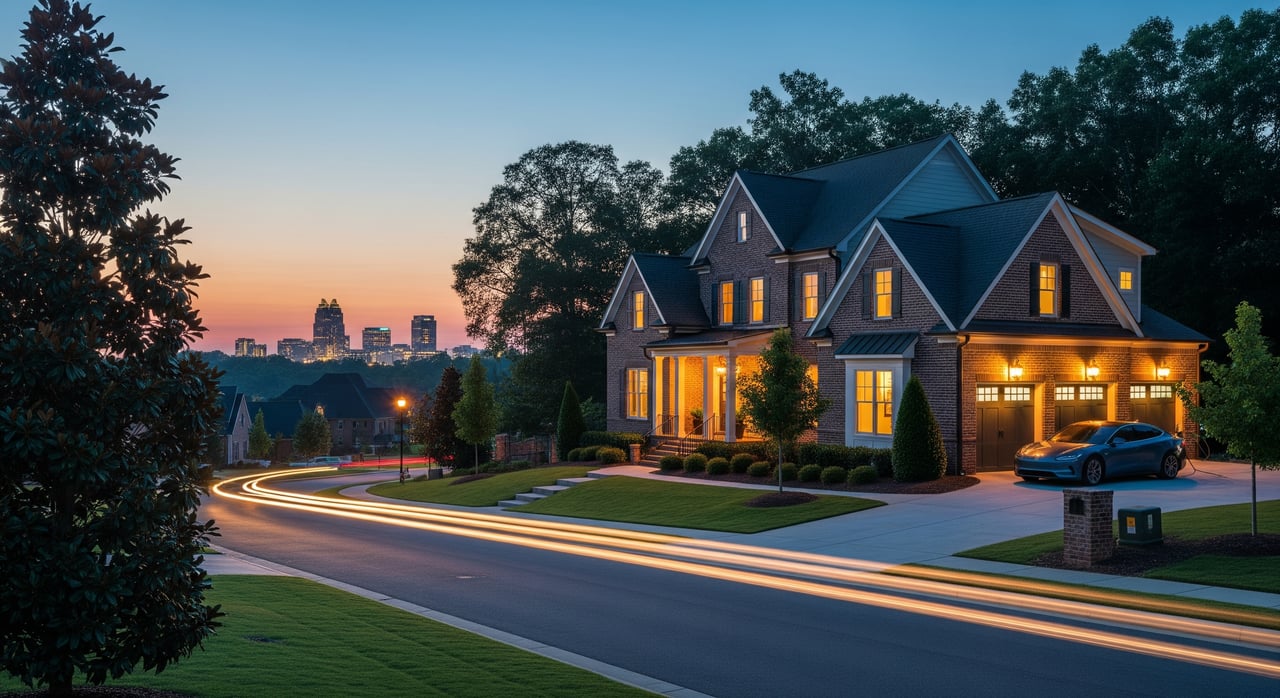
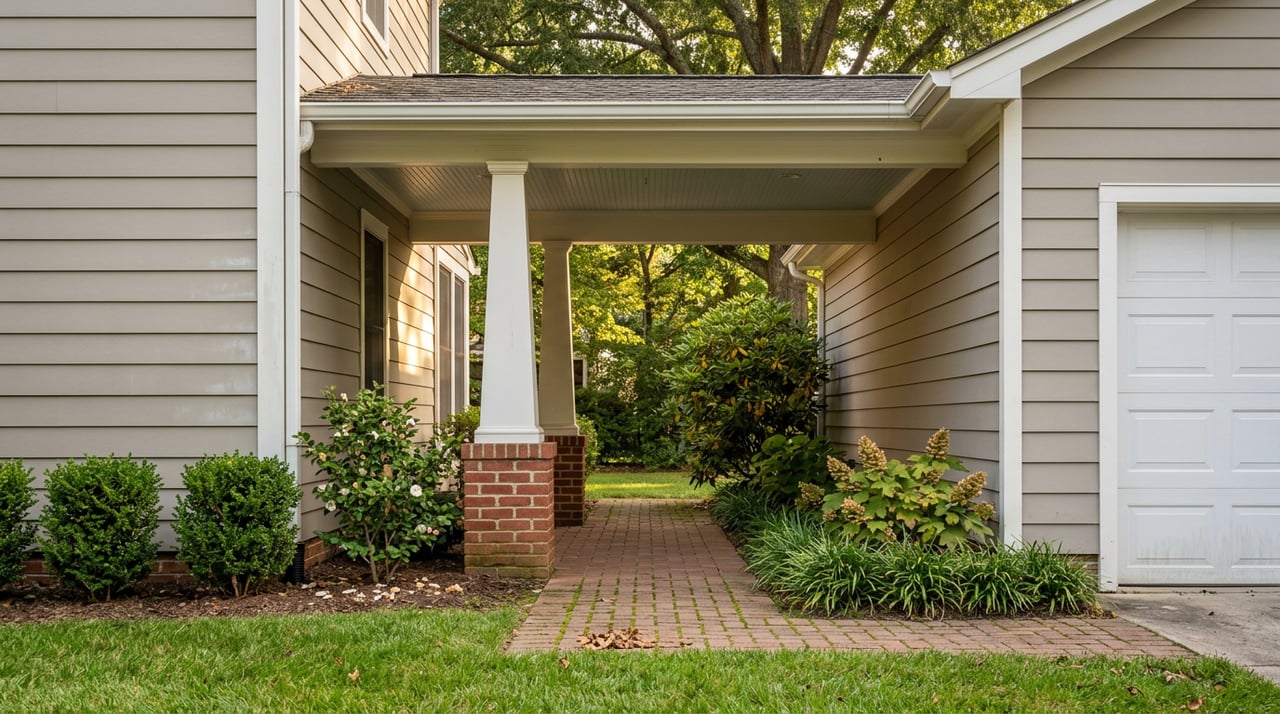
Knightdale leans suburban, with newer single‑family homes, larger lots, and master‑planned communities. Raleigh offers a wider mix: older and newer single‑family neighborhoods, townhomes, condos, and denser apartment living closer to job centers. If you value newer construction and yard space, Knightdale often delivers more square footage per dollar. If you prefer a walkable setting or a condo near downtown, Raleigh’s options are broader.
Raleigh has a larger network of parks and greenways, plus museums, nightlife, and cultural events across downtown, Glenwood South, North Hills, and other mixed‑use districts. That can translate into shorter trips to concerts, sports leagues, and dining variety. Knightdale’s amenities are more suburban and node‑based, with shopping centers, local restaurants, and community parks that make day‑to‑day errands simple. Family‑oriented events and quieter evenings are common themes.
Both locations are served by the Wake County Public School System. School assignments and program offerings vary by attendance zone, and boundaries can change as the county grows. If schools are a priority, review current attendance maps and school report cards through Wake County Public Schools and plan your search around zones that meet your needs. Raleigh also hosts larger health systems and specialty care, while both areas provide routine healthcare and services.
Raleigh neighborhoods near downtown and major corridors generally score higher for walking, biking, and access to transit. Suburban Knightdale’s layout yields lower walk scores overall, though some subdivisions and trail connections are walkable within their pocket. For a quick neighborhood snapshot, check Walk Score and pair that with your daily routine. Think about your top three weekly trips and how you want to reach them.
As a rule of thumb, suburbs like Knightdale tend to offer lower median purchase prices and more space per dollar than central Raleigh, though the exact gap depends on the neighborhood and proximity to job centers. Raleigh’s in‑city variety includes condos and townhomes, which can be more affordable entry points than certain single‑family areas. To compare specific neighborhoods, look at recent sales, price per square foot, and days on market through local MLS snapshots and your agent’s comps. Match what you see to your must‑have features, not just the headline price.
Property tax rates are set by Wake County and each municipality, so your total tax bill can differ between a Knightdale address and a Raleigh address. Many newer subdivisions also include HOA dues for common area upkeep and amenities. Before you write an offer, build a full monthly budget that includes principal and interest, taxes, insurance, HOA fees, and an estimate of commute costs. You can view baseline county tax information through Wake County’s property tax resources.
Account for fuel, wear and tear, parking, and your time. If you can work from home two or three days per week, a longer drive may feel acceptable because you make it less often. If you must be on-site every day within a fixed schedule, a shorter in‑city commute might be worth a higher housing cost. Put numbers to both scenarios so you are comparing apples to apples.
Road improvements, transit adjustments, employer policies, and new development can shift commute dynamics over time. Regional transportation planning from CAMPO and project work by NCDOT can add capacity or improve interchanges, though timelines can be long. Knightdale continues to add subdivisions and retail nodes, which may increase local traffic while bringing more nearby services. Raleigh’s infill and densification can change demand and route patterns around downtown and key corridors.
You deserve a home that fits both your budget and your routine. If you want financially grounded guidance, a clear search plan, and hands‑on help comparing Knightdale and Raleigh, connect with the team at Crumpler Realty Group. We will help you model commutes, weigh neighborhood options, and negotiate with confidence.

Together we have purchased, updated, renovated, and sold multiple homes in Apex, Holly Springs, and now Cary. We have helped first time home buyers, growing families, empty nesters downsizing, investors, and buyers looking for their dream vacation home in the mountains or coastline of North Carolina. Each client and move are unique, different, and usually has many moving parts. Through our personal and professional experience, we can help you with your next move.
If you are thinking of moving to the Triangle area like so many others, we have a vast network of real estate professionals across the country that can assist you with the preparation and sale of your current home. Contact us today!
Stay up to date on the latest real estate trends.
We pride ourselves in providing personalized solutions that bring our clients closer to their dream properties and enhance their long-term wealth.